
Cloud-Native Asset Management. Sovereign Infrastructure.
Enterprise-grade lifecycle management with Equinix-powered 99.999% availability.
Complete asset lifecycle management and financial governance — unifying maintenance operations, capital planning, and executive analytics into a single intelligent platform.
The AIS Integrated Enterprise Management platform is a cloud-based operational intelligence system that bridges the gap between frontline operations and executive decision-making. It consolidates asset tracking, predictive maintenance scheduling, work order management, and capital project governance into one unified environment — giving facility managers real-time visibility into equipment health while providing finance directors with accurate lifecycle cost projections and budget variance dashboards. Purpose-built for large-scale government infrastructure such as international airports, seaports, and border complexes, the platform transforms reactive maintenance cultures into data-driven asset stewardship programs that extend equipment life, reduce unplanned downtime, and enforce fiscal accountability across every department.

A cloud-native enterprise asset management platform that unifies preventive and predictive maintenance, inventory control, capital project tracking, and financial governance into a single system of record. Field technicians use mobile-first interfaces to execute and close work orders in real time, while automated workflows route approvals, flag budget overruns, and generate compliance documentation — eliminating spreadsheet-driven processes and paper-based maintenance logs.
Government agencies managing critical national infrastructure need full transparency into how public assets are maintained, what they cost to operate, and when they should be replaced. This platform provides auditable lifecycle records, automated budget controls, and predictive analytics that inform repair-versus-replace decisions — ensuring taxpayer funds are allocated based on data rather than assumptions, and that essential systems remain operational without costly emergency interventions.
Six integrated capabilities for asset lifecycle management and financial governance.
Technicians receive, execute, and close work orders directly from mobile devices — capturing photos, updating parts usage, and logging labor hours in real time, even in low-connectivity environments. Offline-capable sync ensures no data is lost in the field.
IoT sensor integration and machine-learning algorithms continuously monitor equipment condition indicators — vibration, temperature, pressure, and runtime hours — to forecast failures before they occur and trigger preventive maintenance automatically.
Capital project tracking with multi-level approval workflows, automated budget threshold alerts, and real-time expenditure dashboards — giving finance directors complete visibility into project spend versus allocation across every department and facility.
Lifecycle cost analytics that correlate maintenance history, repair frequency, and degradation curves to generate data-driven repair-versus-replace recommendations — ensuring capital budgets are directed toward assets that deliver the greatest operational return.
Pre-built connectors for SAP, and major government ERP platforms synchronize procurement, finance, and HR data bi-directionally — eliminating duplicate entry, reconciliation errors, and the siloed spreadsheets that plague legacy asset management workflows.
Automated generation of regulatory compliance documentation, audit-ready maintenance logs, and warranty tracking reports — ensuring every inspection, calibration, and safety check is recorded with timestamps, technician signatures, and photographic evidence.
Enterprise-grade data center infrastructure ensuring data sovereignty, military-grade encryption, and 99.999% availability — the backbone for all AIS platform modules.
Answers to frequently asked questions about our enterprise asset management platform.
The platform integrates with IoT sensors installed on critical equipment — HVAC systems, baggage handling conveyors, escalators, power generators, and security screening devices — to continuously collect condition data such as vibration signatures, thermal profiles, and runtime cycles. Machine-learning models trained on historical failure patterns analyze this telemetry in real time, identifying degradation trends weeks before they result in equipment failure. When an anomaly is detected, the system automatically generates a preventive work order, assigns it to the appropriate maintenance team, reserves required spare parts from inventory, and escalates to facility management if the asset is mission-critical. This predictive approach has been shown to reduce unplanned downtime by up to 40% and extend average asset lifespan by 15–25%, because equipment is serviced based on actual condition rather than rigid calendar schedules.
Every maintenance activity, spare part requisition, and capital project expenditure flows through a configurable approval workflow with role-based authorization thresholds. Finance directors set annual budgets at the facility, department, and asset-class level, and the system enforces those limits in real time — flagging purchase orders that would exceed allocated budgets and routing exception requests to the appropriate approval authority. Dashboards display live spend-versus-allocation metrics, cost-per-asset trends, and variance analysis by category. Monthly and quarterly reports are generated automatically with full audit trails, showing exactly where every dollar was spent, who approved it, and what operational outcome it delivered. This level of transparency eliminates the budget surprises and unaccountable expenditures that are common in organizations still relying on disconnected procurement and maintenance systems.
The platform maintains a complete lifecycle record for every asset — from procurement and commissioning through every inspection, repair, and part replacement — and uses this data to calculate total cost of ownership, mean time between failures, and remaining useful life. When an asset's cumulative repair costs approach a configurable percentage of its replacement value, the system automatically flags it for capital review and generates a repair-versus-replace analysis comparing projected maintenance costs over the next 3–5 years against the capital expenditure of a new unit. These recommendations feed directly into the capital planning module, where project managers can model budget scenarios, prioritize replacements based on criticality scores, and submit funding requests with full supporting data. The result is a capital investment program driven by operational evidence rather than ad hoc requests — ensuring that replacement budgets are directed toward the assets where intervention will have the greatest impact on reliability and cost avoidance.
Access technical specifications, whitepapers, and solution briefs for your procurement team.
Platform capabilities for predictive maintenance, capital project governance, and mobile field execution.
Request Access →Framework for calculating return on investment from predictive analytics and reduced unplanned downtime.
Request Access →Technical guide for enterprise ERP, financial management, and procurement system integration.
Request Access →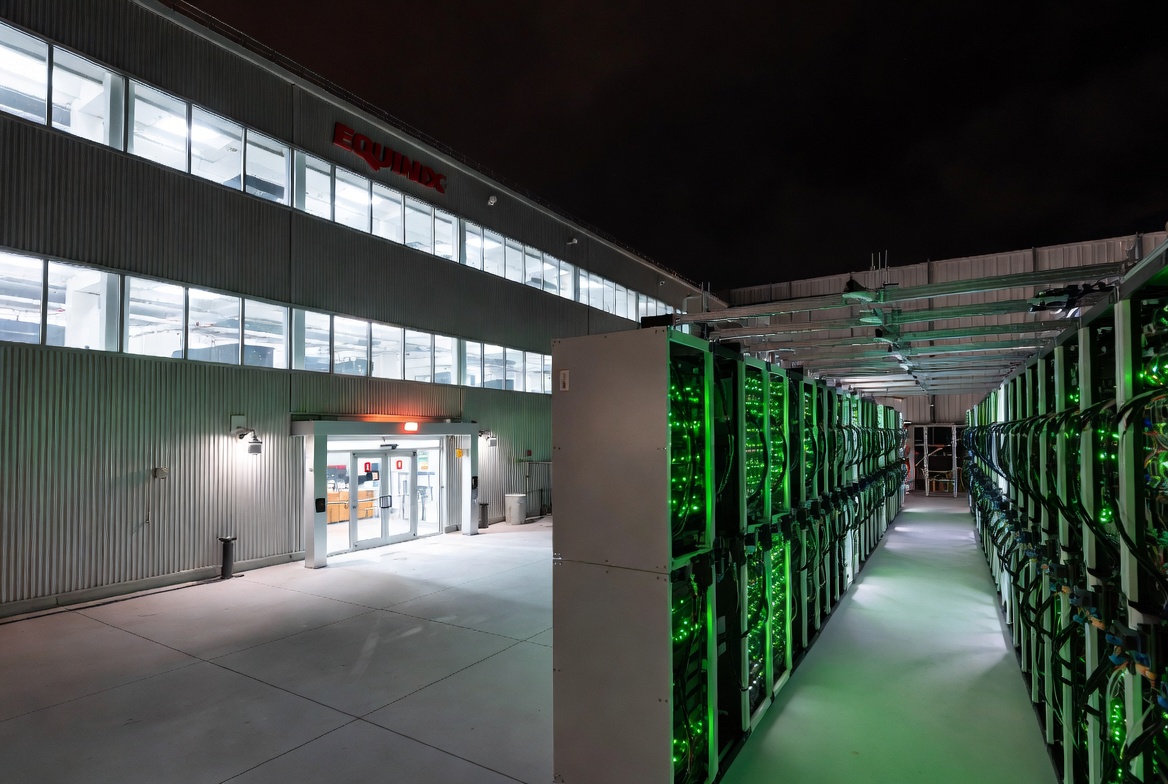
Enterprise-grade lifecycle management with Equinix-powered 99.999% availability.