




Securing Borders, Unlocking Prosperity
Transforming border management from a cost burden into a self-sustaining engine of national development.
Every AIS engagement creates lasting economic value — generating jobs, transferring knowledge, building sovereign capability, and advancing sustainability goals.
Real numbers, real impact — tracked and verified across every engagement.

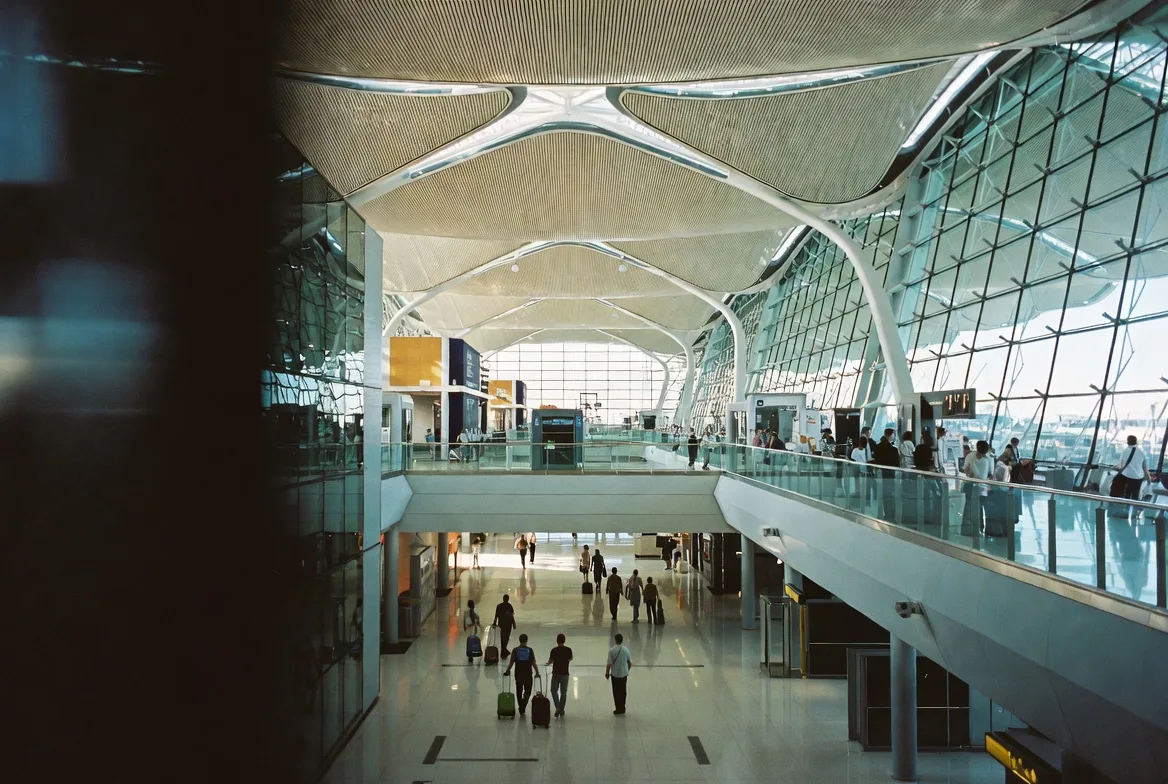
The Bishoftu International Airport is a landmark mega-hub designed by the legendary Zaha Hadid Architects. Once complete, it will be one of Africa's largest aviation gateways — purpose-built to handle 110 million passengers annually across four runways, with an 80% transit traffic model connecting the continent to the world.
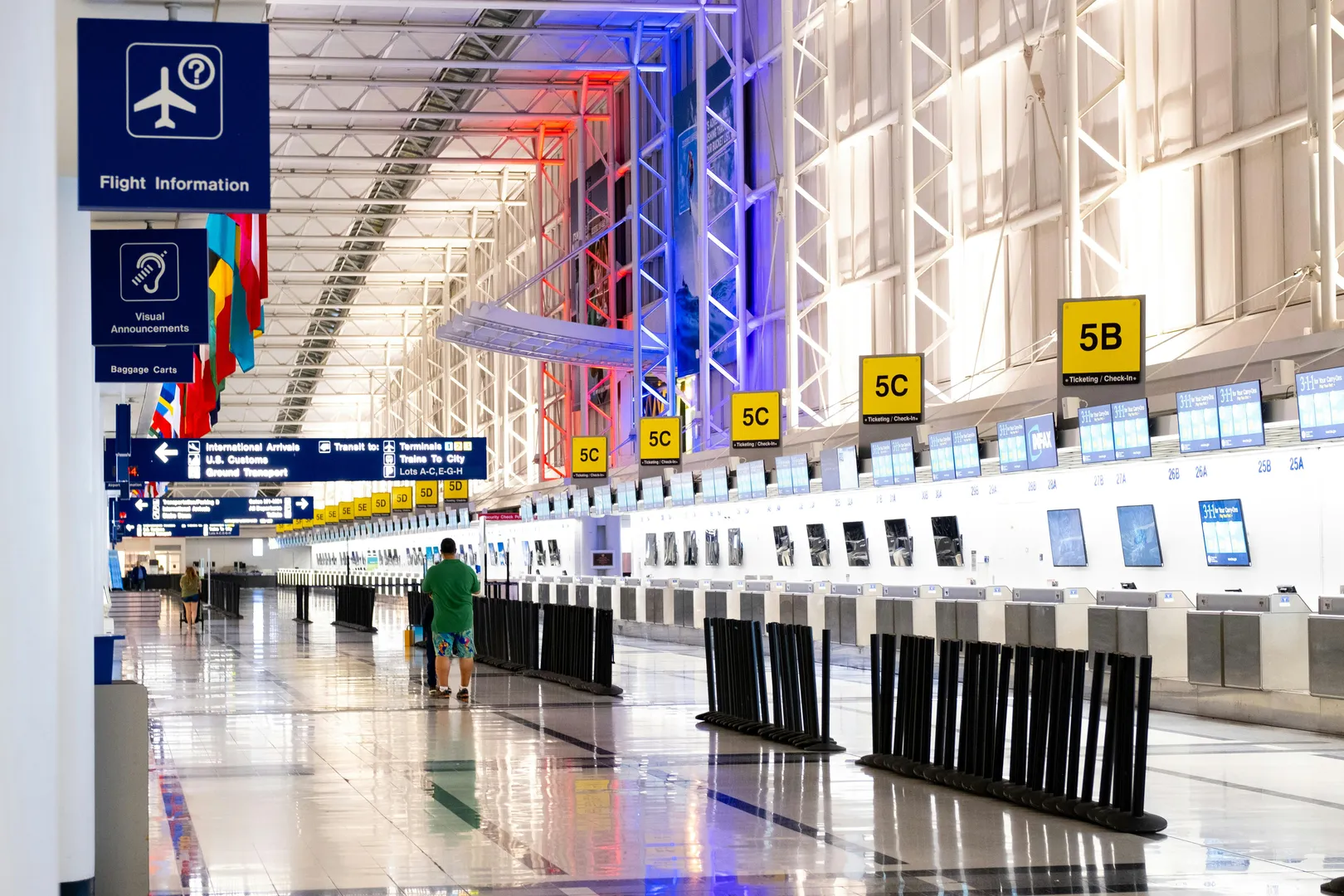
Phase 1 is targeted for completion in 2030, with the airport operating at initial capacity before scaling to its full four-runway configuration. AIS serves as the Master System Integrator, responsible for the design, build, operation, and eventual transfer of every border management, biometric identity, and passenger processing system across the entire facility.
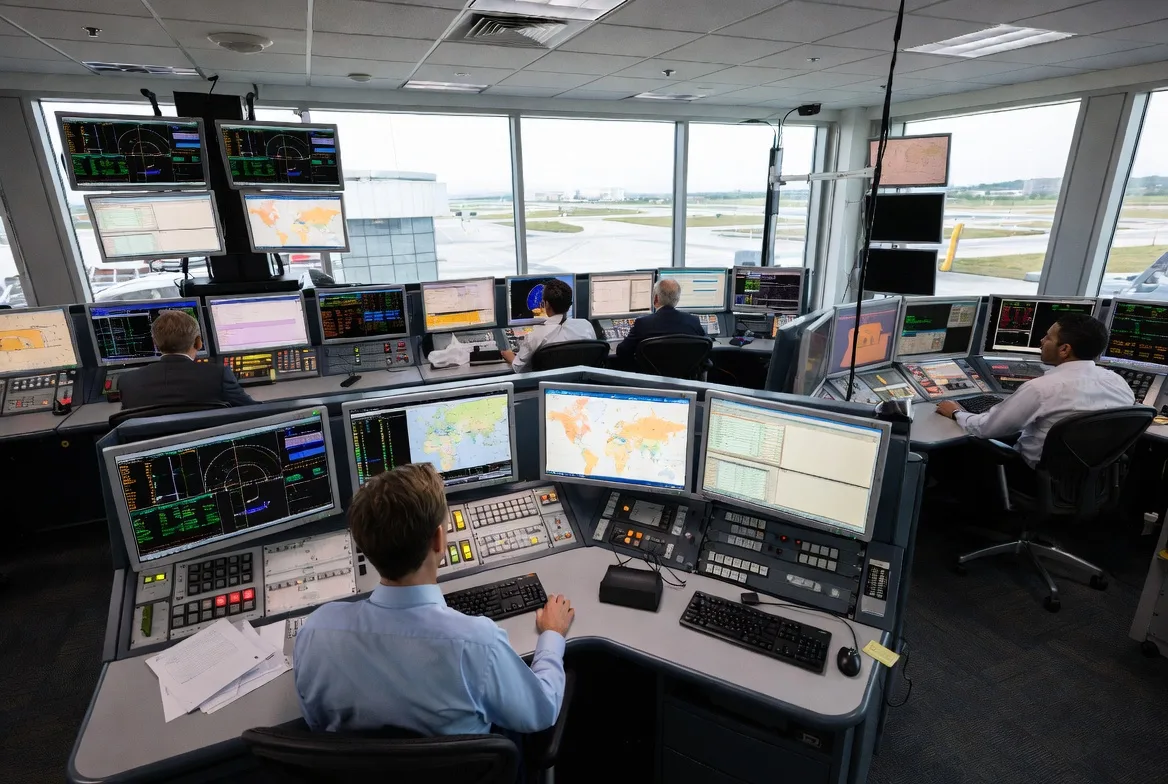
Our role spans the full technology lifecycle — from API/PNR pre-arrival screening and ABIS multi-biometric identification to seamless journey eGates, unified command and control, and enterprise asset management. This is not a vendor engagement — it is a sovereign technology partnership designed to leave lasting capability in-country.
Built on conservative assumptions with proven global benchmarks — a sustainable revenue model for long-term national benefit.
Global non-aeronautical revenue share averages 36.7% (2023). Africa averages only 26% — representing a significant upside opportunity. Border control modeled at 3-7% of total airport revenue (5% midpoint). Discount rate for emerging market DCF: 10-12%.
A phased approach from pilot at Bole Airport to full national deployment and Bishoftu mega-hub.
National-scale deployments delivering measurable security, economic, and social outcomes.
View All ProjectsBeyond technology — creating jobs, transferring skills, and building sovereign capability.
500+ direct and indirect high-tech jobs across engineering, operations, maintenance, and management — creating sustainable career pathways in border technology.
4,320+ hours of structured training, international certification programs, and hands-on mentorship — building sovereign technical capability that remains in-country.
15-25% increase in government revenue collection through reduced smuggling, improved customs enforcement, and full digitization of duty and visa fee processing.
5-7% annual air traffic growth enabled by seamless passenger processing, improved traveler experience, and increased airport retail and concession revenue.
$50-100M saved annually by replacing imported software licenses with locally developed, maintained, and operated technology platforms and support teams.
Green data centers with energy-efficient infrastructure, paper reduction through full digitization, and social governance programs aligned with national ESG frameworks.

Transforming border management from a cost burden into a self-sustaining engine of national development.

See the projected economic, social, and security outcomes tailored to your nation's border management needs.